


‹
›
‹
›
SPHERICAL PLAIN BEARING
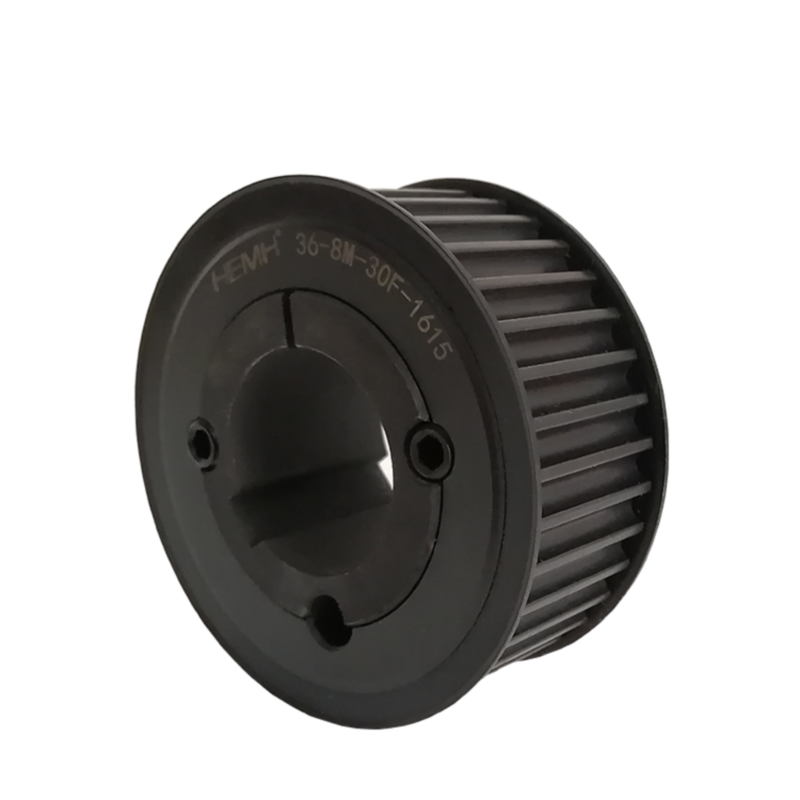
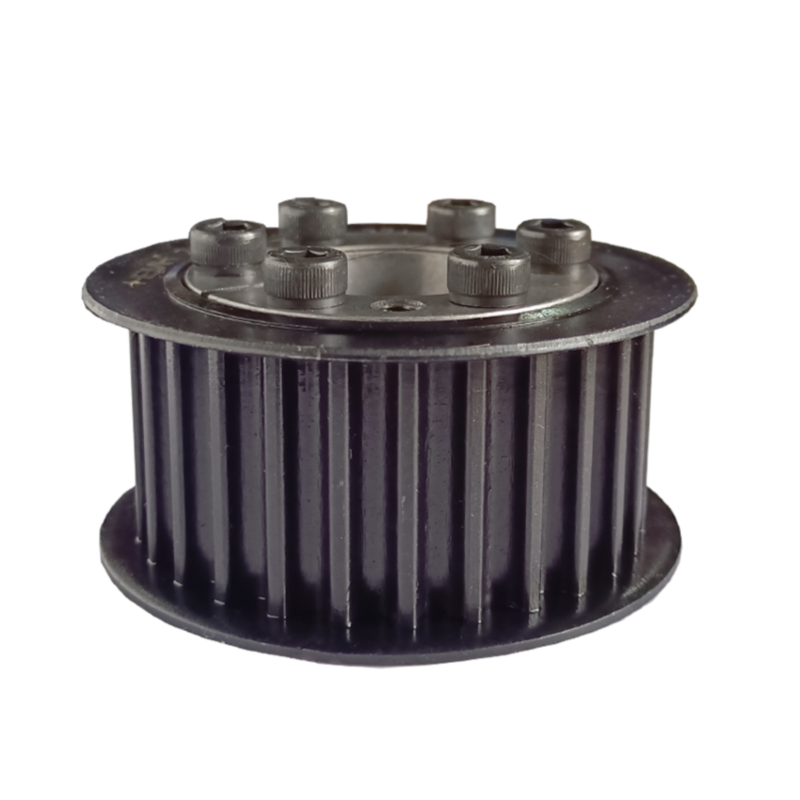
Product Characteristics:
1.Standard specification, high interchangeability
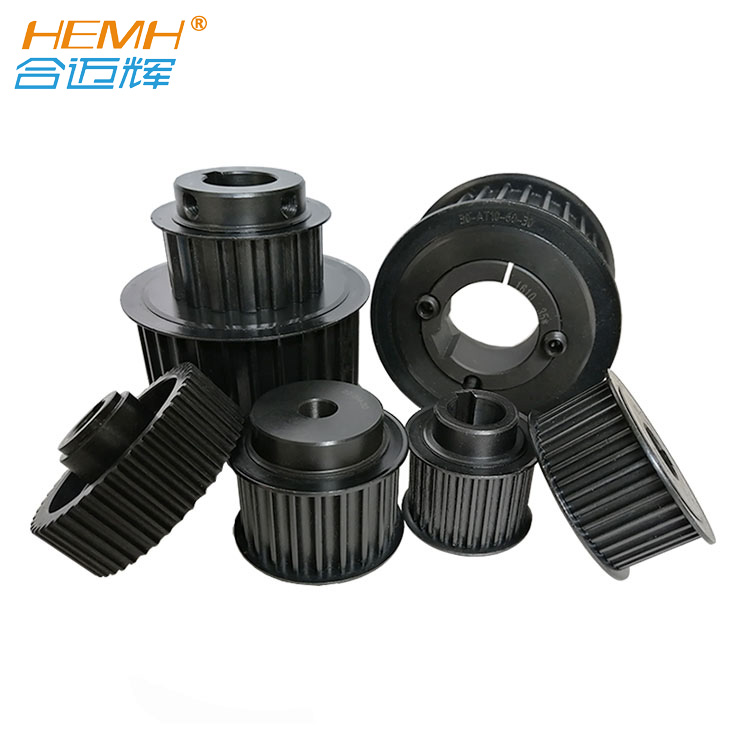
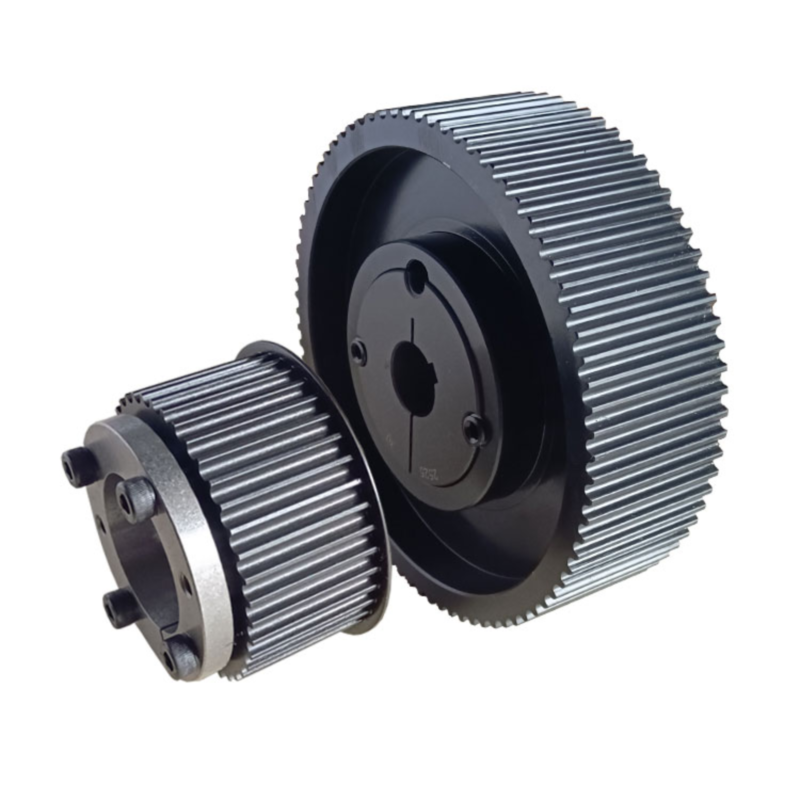
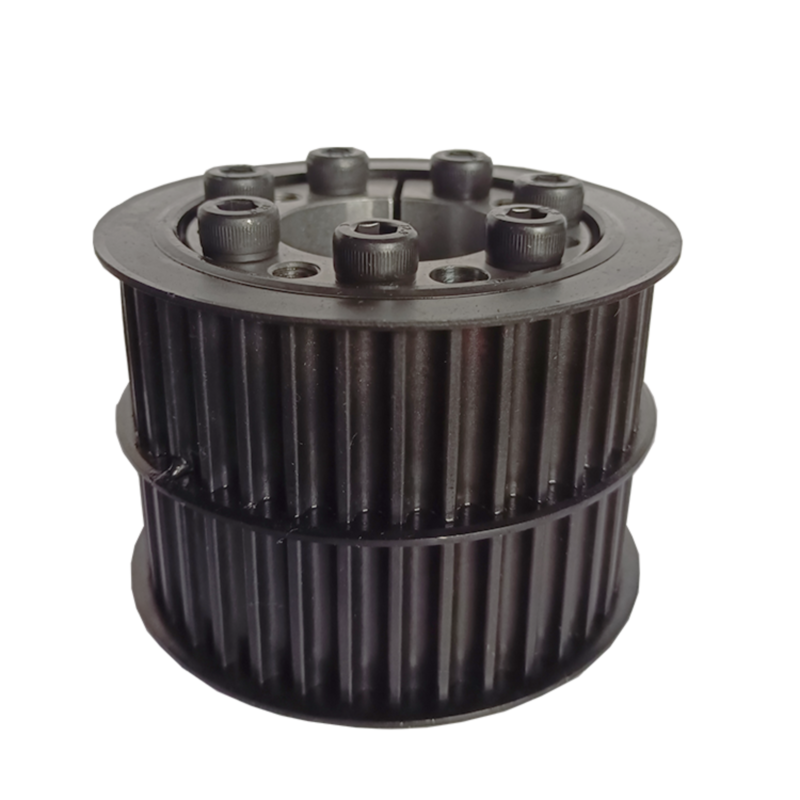
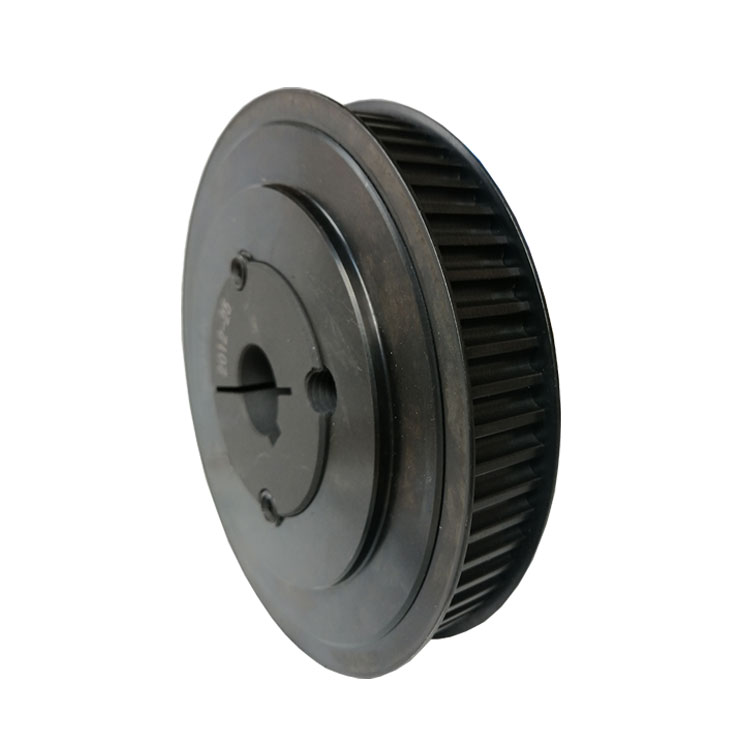
Manufactured strictly in accordance with European DIN and ISO standards. Tooth profile, pitch, bore and keyway dimensions are unified. The same specification is globally interchangeable and compatible with European standard timing belts.
2.Precise transmission, no slip
Tooth meshing transmission without slipping or speed loss. Constant transmission ratio and high positioning accuracy, ideal for precision automation and servo equipment.
3.Smooth operation, low noise
Precision machined tooth profile ensures smooth meshing with low vibration and noise, suitable for high-speed continuous operation.
4.High transmission efficiency, energy-saving and durable
Small meshing clearance reduces power loss, transmission efficiency over 98%. Hard to wear or deform during long-term operation.
5.Compact structure, easy installation and maintenance
Small size saves installation space and supports long-distance transmission. No frequent tensioning or lubrication required, easy daily maintenance.
6.Wide application range
Compatible with European standard timing belts such as MXL, XL, T5, T10, AT5, AT10. Widely used in automation, packaging, textile and precision machinery.
1. Aluminum Alloy (6061/6063, Most Commonly Used)
- Material Characteristics: Light weight (about 1/3 of carbon steel), moderate hardness (HRC15-20), easy to process, high precision, can be anodized, and has certain corrosion resistance.
- Core Advantages: High cost performance, precise tooth profile, suitable for light and medium load, high-speed scenarios, low energy consumption and convenient maintenance.
- Application Scenarios: Dry, high-precision scenarios such as automation equipment, precision machine tools, packaging/textile machinery, and servo motor supporting equipment.
- Notes: Limited load-bearing capacity, not resistant to heavy load impact; easy to oxidize without anodization, and protection is required in humid and corrosive environments.
2. Carbon Steel 45# (Medium and Heavy Load Type)
- Material Characteristics: Medium carbon steel, adjustable hardness (HRC20-25 unquenched, HRC45-50 after quenching), high strength, good toughness, and wear resistance can be improved by heat treatment.
- Core Advantages: Strong load-bearing capacity, wear resistance and fatigue resistance, suitable for medium and heavy load, high-speed transmission, with outstanding cost performance.
- Application Scenarios: Medium and heavy load scenarios such as medium conveyors, printing machinery, machine tool spindles, and construction machinery.
- Notes: Easy to rust, regular anti-rust treatment is required; not resistant to humid and corrosive environments.
3. Alloy Structural Steel (40Cr, 20CrMnTi, High-End Heavy Load Type)
- Material Characteristics: Contains alloy elements such as chromium, manganese and titanium. After heat treatment, the hardness reaches HRC50-60, and its tensile strength, impact resistance and wear resistance are far superior to ordinary carbon steel.
- Core Advantages: Large torque-bearing capacity, impact resistance, not easy to wear and break under high-speed and heavy load, and stable transmission accuracy.
- Application Scenarios: Severe scenarios such as metallurgical, mining equipment, large precision machine tools, and high-speed heavy-load conveyors.
- Notes: High cost, difficult processing, requires professional heat treatment, and the surface needs anti-rust treatment.
4. Stainless Steel (304, 316, Anti-Corrosion Special Type)
- Material Characteristics: Contains chromium and nickel, with rust resistance, corrosion resistance and acid-alkali resistance. 316 material has better corrosion resistance than 304, and can resist humid, seawater, chemical medium and other corrosive environments.
- Core Advantages: No rust, long service life, no frequent maintenance, suitable for scenarios with high hygiene and corrosion resistance requirements.
- Application Scenarios: Humid and corrosive scenarios such as food, medical machinery, chemical, water treatment equipment, and seaside outdoor equipment.
- Notes: High cost, limited load-bearing capacity, not resistant to heavy load impact, and strict control of processing precision is required.
5. Gray Cast Iron (HT200/HT250, Economic Type)
- Material Characteristics: Moderate hardness (HRC18-22), easy to cast and process, low cost, has certain wear resistance and shock absorption, and stable size.
- Core Advantages: Extremely high cost performance, shock absorption and noise reduction, suitable for light load, low speed and scenarios with low precision requirements.
- Application Scenarios: Light load and low speed scenarios such as ordinary conveyors, agricultural machinery, and small general machinery.
- Notes: Poor toughness, weak impact resistance, easy to break teeth under high speed and heavy load; easy to rust, not resistant to humid and corrosive environments.


FAQ:
A:
- The gear blank is deformed without aging treatment;
- Eccentric machining of inner bore and outer diameter;
- Insufficient milling precision of tooth profile and large deviation of tooth pitch;
- Uneven stress on the fixing screws during installation.
Q: Why are aluminum alloy synchronous pulleys prone to wear?
A:
- Inferior mixed materials are used instead of standard 6061/6063 aluminum alloy;
- The tooth surface has not been hardened or anodized;
- Long-term operation under high speed and heavy load, together with inferior timing belts, will accelerate wear.
Product Characteristics:
1.Standard specification, high interchangeability
Manufactured strictly in accordance with European DIN and ISO standards. Tooth profile, pitch, bore and keyway dimensions are unified. The same specification is globally interchangeable and compatible with European standard timing belts.
2.Precise transmission, no slip
Tooth meshing transmission without slipping or speed loss. Constant transmission ratio and high positioning accuracy, ideal for precision automation and servo equipment.
3.Smooth operation, low noise
Precision machined tooth profile ensures smooth meshing with low vibration and noise, suitable for high-speed continuous operation.
4.High transmission efficiency, energy-saving and durable
Small meshing clearance reduces power loss, transmission efficiency over 98%. Hard to wear or deform during long-term operation.
5.Compact structure, easy installation and maintenance
Small size saves installation space and supports long-distance transmission. No frequent tensioning or lubrication required, easy daily maintenance.
6.Wide application range
Compatible with European standard timing belts such as MXL, XL, T5, T10, AT5, AT10. Widely used in automation, packaging, textile and precision machinery.
1. Aluminum Alloy (6061/6063, Most Commonly Used)
- Material Characteristics: Light weight (about 1/3 of carbon steel), moderate hardness (HRC15-20), easy to process, high precision, can be anodized, and has certain corrosion resistance.
- Core Advantages: High cost performance, precise tooth profile, suitable for light and medium load, high-speed scenarios, low energy consumption and convenient maintenance.
- Application Scenarios: Dry, high-precision scenarios such as automation equipment, precision machine tools, packaging/textile machinery, and servo motor supporting equipment.
- Notes: Limited load-bearing capacity, not resistant to heavy load impact; easy to oxidize without anodization, and protection is required in humid and corrosive environments.
2. Carbon Steel 45# (Medium and Heavy Load Type)
- Material Characteristics: Medium carbon steel, adjustable hardness (HRC20-25 unquenched, HRC45-50 after quenching), high strength, good toughness, and wear resistance can be improved by heat treatment.
- Core Advantages: Strong load-bearing capacity, wear resistance and fatigue resistance, suitable for medium and heavy load, high-speed transmission, with outstanding cost performance.
- Application Scenarios: Medium and heavy load scenarios such as medium conveyors, printing machinery, machine tool spindles, and construction machinery.
- Notes: Easy to rust, regular anti-rust treatment is required; not resistant to humid and corrosive environments.
3. Alloy Structural Steel (40Cr, 20CrMnTi, High-End Heavy Load Type)
- Material Characteristics: Contains alloy elements such as chromium, manganese and titanium. After heat treatment, the hardness reaches HRC50-60, and its tensile strength, impact resistance and wear resistance are far superior to ordinary carbon steel.
- Core Advantages: Large torque-bearing capacity, impact resistance, not easy to wear and break under high-speed and heavy load, and stable transmission accuracy.
- Application Scenarios: Severe scenarios such as metallurgical, mining equipment, large precision machine tools, and high-speed heavy-load conveyors.
- Notes: High cost, difficult processing, requires professional heat treatment, and the surface needs anti-rust treatment.
4. Stainless Steel (304, 316, Anti-Corrosion Special Type)
- Material Characteristics: Contains chromium and nickel, with rust resistance, corrosion resistance and acid-alkali resistance. 316 material has better corrosion resistance than 304, and can resist humid, seawater, chemical medium and other corrosive environments.
- Core Advantages: No rust, long service life, no frequent maintenance, suitable for scenarios with high hygiene and corrosion resistance requirements.
- Application Scenarios: Humid and corrosive scenarios such as food, medical machinery, chemical, water treatment equipment, and seaside outdoor equipment.
- Notes: High cost, limited load-bearing capacity, not resistant to heavy load impact, and strict control of processing precision is required.
5. Gray Cast Iron (HT200/HT250, Economic Type)
- Material Characteristics: Moderate hardness (HRC18-22), easy to cast and process, low cost, has certain wear resistance and shock absorption, and stable size.
- Core Advantages: Extremely high cost performance, shock absorption and noise reduction, suitable for light load, low speed and scenarios with low precision requirements.
- Application Scenarios: Light load and low speed scenarios such as ordinary conveyors, agricultural machinery, and small general machinery.
- Notes: Poor toughness, weak impact resistance, easy to break teeth under high speed and heavy load; easy to rust, not resistant to humid and corrosive environments.
FAQ:
A:
- The gear blank is deformed without aging treatment;
- Eccentric machining of inner bore and outer diameter;
- Insufficient milling precision of tooth profile and large deviation of tooth pitch;
- Uneven stress on the fixing screws during installation.
Q: Why are aluminum alloy synchronous pulleys prone to wear?
A:
- Inferior mixed materials are used instead of standard 6061/6063 aluminum alloy;
- The tooth surface has not been hardened or anodized;
- Long-term operation under high speed and heavy load, together with inferior timing belts, will accelerate wear.