Guangzhou Hemaihui Electromechanical Equipment Co., Ltd



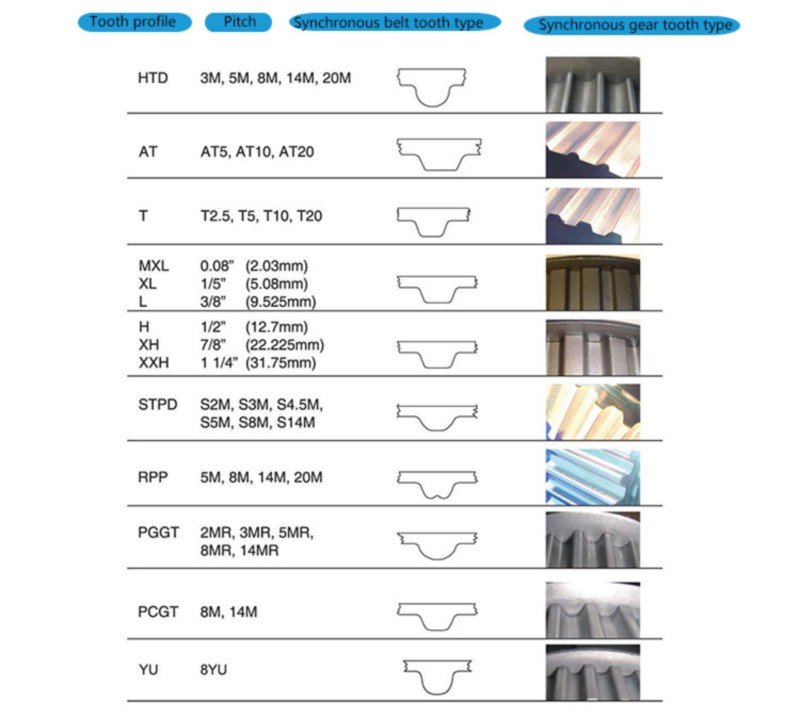
Classification Introduction
Related models
‹
›
‹
›
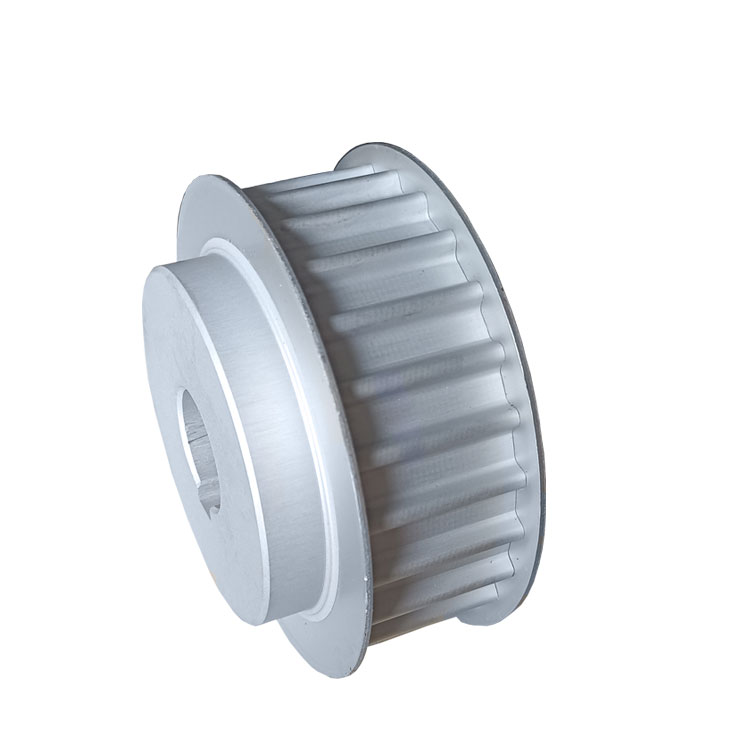
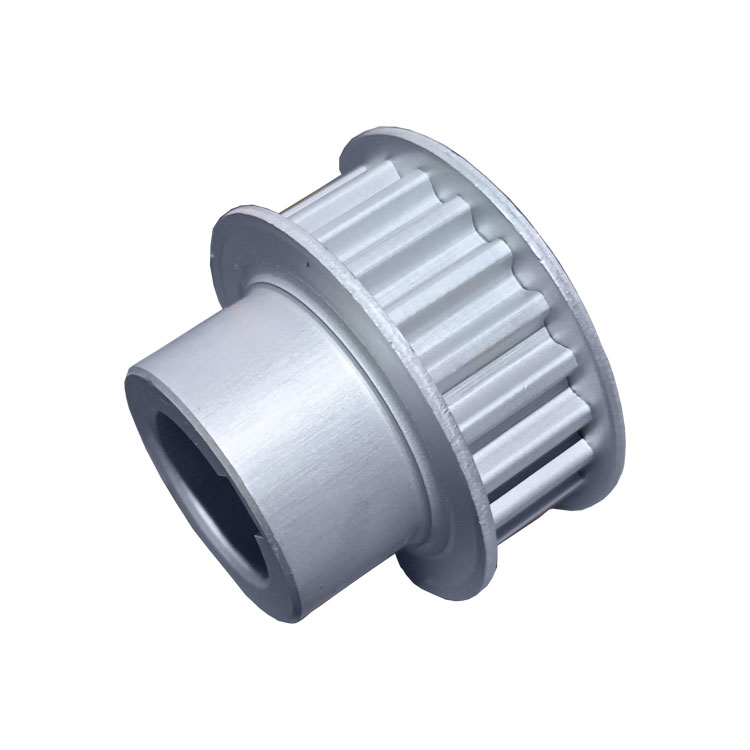
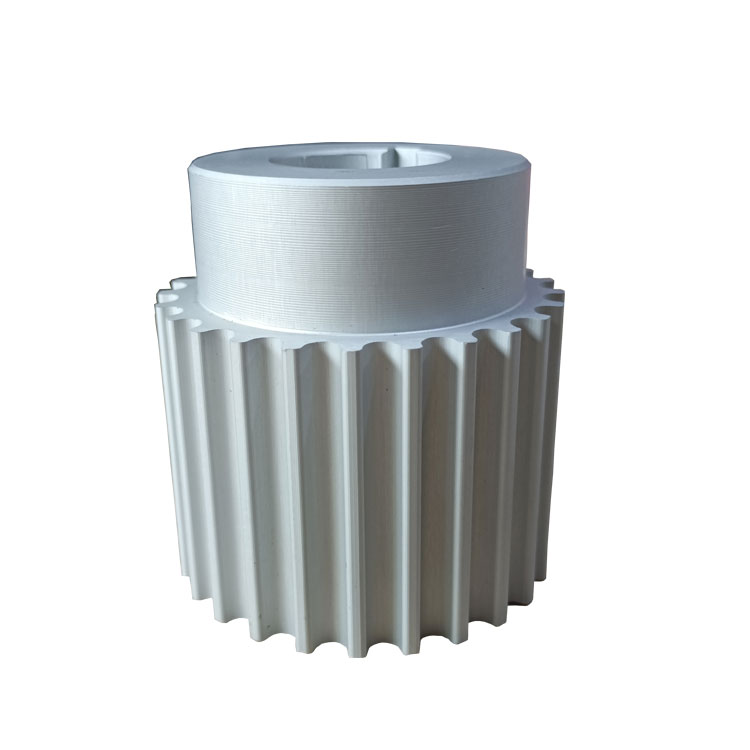
Product Characteristics:
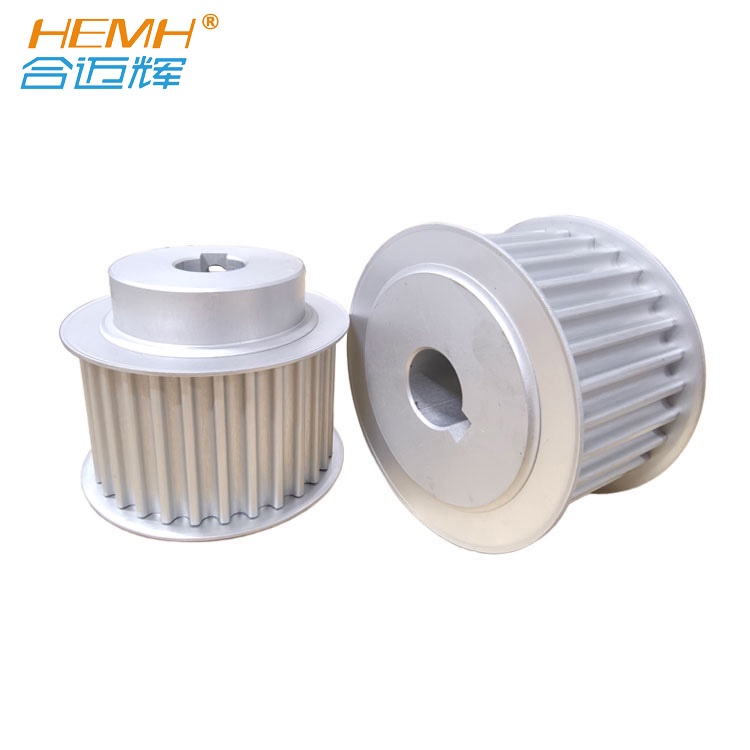
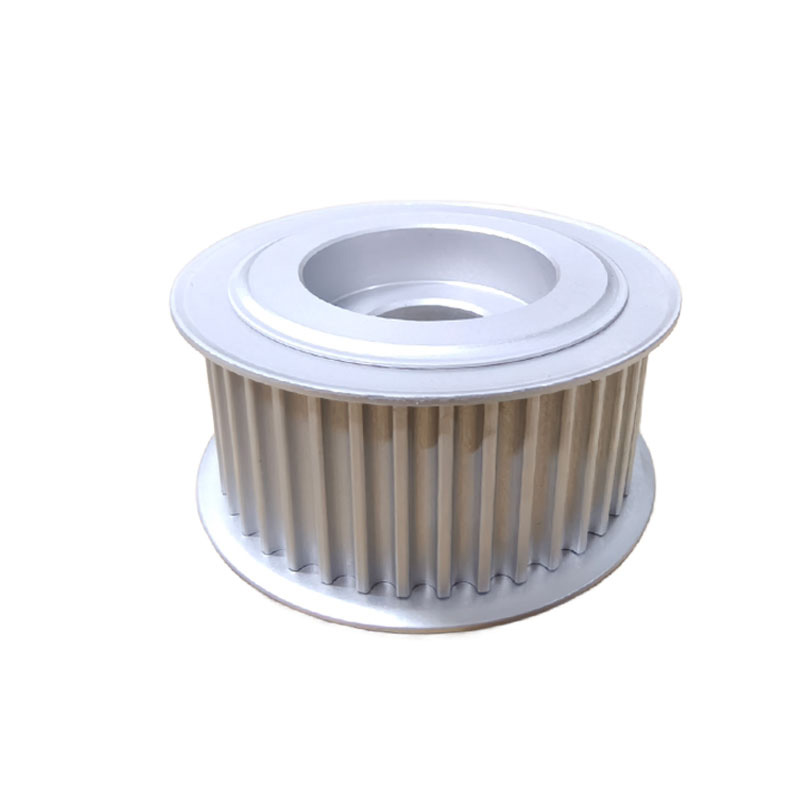
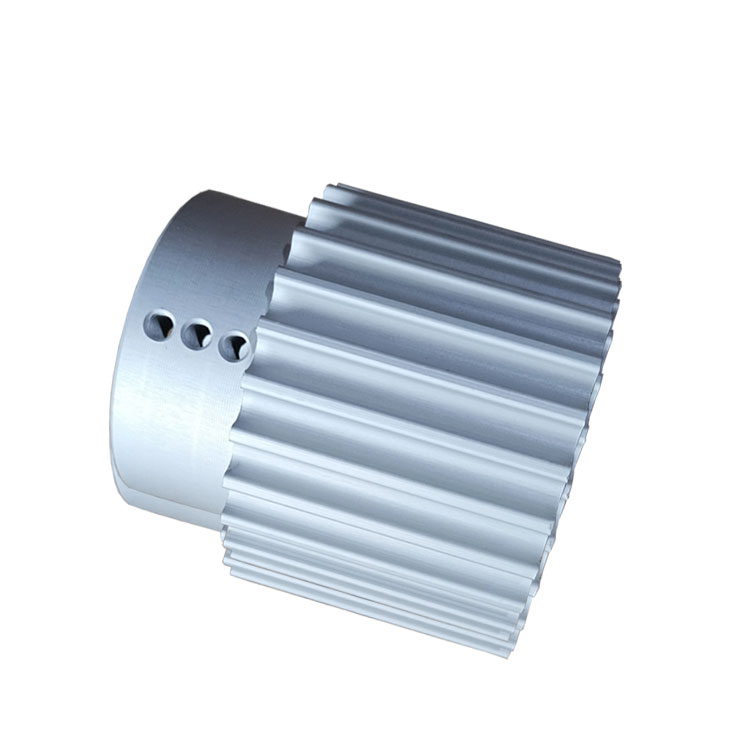
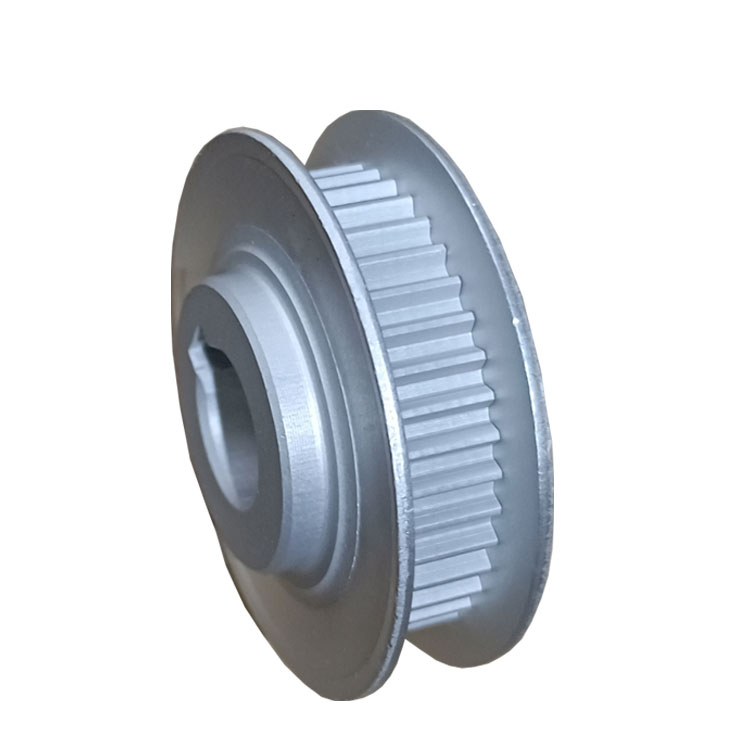
- Precise Tooth Profile, No Transmission Deviation: Precision CNC machining, uniform tooth pitch, perfect meshing with synchronous belts, transmission ratio error close to zero, suitable for high-precision equipment such as precision machine tools and automatic assembly lines.
- Stable Operation, Ultra-Low Noise: No impact or runout during meshing, low friction coefficient, noise much lower than gear transmission, suitable for noise-sensitive scenarios such as medical equipment and precision instruments.
- High Efficiency and Energy Saving, Low Loss: Transmission efficiency reaches 98%-99%, much higher than ordinary belt transmission, which can reduce energy consumption and operating costs, suitable for continuous high-speed operation.
- Compact Structure, Easy Installation: Small in size and moderate in weight, can be flexibly installed in narrow spaces, suitable for small equipment and compact transmission systems, facilitating the miniaturization design of equipment.
- No Lubrication Required, Simple Maintenance: No need for regular lubricating oil addition, only regular inspection for wear and cleaning of debris between teeth, low maintenance cost and reduced equipment downtime.
- Moderate Load Capacity, Wide Adaptability: Tooth part is hardened, wear-resistant and durable, suitable for light and medium load scenarios; high-strength materials can meet the needs of heavy-load and high-precision transmission.
- Universal Interchangeability, Convenient Replacement: Produced in accordance with national and European standards, the same model can be used globally, no need to adjust the shaft diameter and installation position during replacement.
- Wear and Fatigue Resistance, Long Service Life: Tooth surface is quenched and carburized, wear-resistant and fatigue-resistant, not easy to be damaged during long-term high-frequency operation, and service life is much longer than ordinary belt pulleys.
High-Speed Transmission, No Slippage Risk: Power is transmitted through tooth meshing, no slippage during high-speed operation (thousands of revolutions per minute), ensuring stable and precise transmission.
Material:
1. Aluminum Alloy (6061/6063, Most Commonly Used)
- Material Characteristics: Light weight (about 1/3 of carbon steel), moderate hardness (HRC15-20), easy to process, high precision, can be anodized, and has certain corrosion resistance.
- Core Advantages: High cost performance, precise tooth profile, suitable for light and medium load, high-speed scenarios, low energy consumption and convenient maintenance.
- Application Scenarios: Dry, high-precision scenarios such as automation equipment, precision machine tools, packaging/textile machinery, and servo motor supporting equipment.
- Notes: Limited load-bearing capacity, not resistant to heavy load impact; easy to oxidize without anodization, and protection is required in humid and corrosive environments.
2. Carbon Steel 45# (Medium and Heavy Load Type)
- Material Characteristics: Medium carbon steel, adjustable hardness (HRC20-25 unquenched, HRC45-50 after quenching), high strength, good toughness, and wear resistance can be improved by heat treatment.
- Core Advantages: Strong load-bearing capacity, wear resistance and fatigue resistance, suitable for medium and heavy load, high-speed transmission, with outstanding cost performance.
- Application Scenarios: Medium and heavy load scenarios such as medium conveyors, printing machinery, machine tool spindles, and construction machinery.
- Notes: Easy to rust, regular anti-rust treatment is required; not resistant to humid and corrosive environments.
3. Alloy Structural Steel (40Cr, 20CrMnTi, High-End Heavy Load Type)
- Material Characteristics: Contains alloy elements such as chromium, manganese and titanium. After heat treatment, the hardness reaches HRC50-60, and its tensile strength, impact resistance and wear resistance are far superior to ordinary carbon steel.
- Core Advantages: Large torque-bearing capacity, impact resistance, not easy to wear and break under high-speed and heavy load, and stable transmission accuracy.
- Application Scenarios: Severe scenarios such as metallurgical, mining equipment, large precision machine tools, and high-speed heavy-load conveyors.
- Notes: High cost, difficult processing, requires professional heat treatment, and the surface needs anti-rust treatment.
4. Stainless Steel (304, 316, Anti-Corrosion Special Type)
- Material Characteristics: Contains chromium and nickel, with rust resistance, corrosion resistance and acid-alkali resistance. 316 material has better corrosion resistance than 304, and can resist humid, seawater, chemical medium and other corrosive environments.
- Core Advantages: No rust, long service life, no frequent maintenance, suitable for scenarios with high hygiene and corrosion resistance requirements.
- Application Scenarios: Humid and corrosive scenarios such as food, medical machinery, chemical, water treatment equipment, and seaside outdoor equipment.
- Notes: High cost, limited load-bearing capacity, not resistant to heavy load impact, and strict control of processing precision is required.
5. Gray Cast Iron (HT200/HT250, Economic Type)
- Material Characteristics: Moderate hardness (HRC18-22), easy to cast and process, low cost, has certain wear resistance and shock absorption, and stable size.
- Core Advantages: Extremely high cost performance, shock absorption and noise reduction, suitable for light load, low speed and scenarios with low precision requirements.
- Application Scenarios: Light load and low speed scenarios such as ordinary conveyors, agricultural machinery, and small general machinery.
- Notes: Poor toughness, weak impact resistance, easy to break teeth under high speed and heavy load; easy to rust, not resistant to humid and corrosive environments.






FAQ:
Q: Why can't synchronous pulleys of the same model be interchanged for assembly?
A:
They are not manufactured in strict accordance with standard tooth profile, pitch, bore size and hub thickness. Some
manufacturers alter dimensions arbitrarily with inaccurate pitch and offset keyway position, making them unable to
fit standard timing belts and equipment for general interchangeability.
Q: Why do synchronous pulleys get rusty after being used for a period of time?
A:
Carbon steel 45# and cast iron versions are not treated with galvanizing, blackening or anti-rust oil. Stored in
humid, rainy or dusty environments, they are prone to oxidation and rusting.
Product Characteristics:
- Precise Tooth Profile, No Transmission Deviation: Precision CNC machining, uniform tooth pitch, perfect meshing with synchronous belts, transmission ratio error close to zero, suitable for high-precision equipment such as precision machine tools and automatic assembly lines.
- Stable Operation, Ultra-Low Noise: No impact or runout during meshing, low friction coefficient, noise much lower than gear transmission, suitable for noise-sensitive scenarios such as medical equipment and precision instruments.
- High Efficiency and Energy Saving, Low Loss: Transmission efficiency reaches 98%-99%, much higher than ordinary belt transmission, which can reduce energy consumption and operating costs, suitable for continuous high-speed operation.
- Compact Structure, Easy Installation: Small in size and moderate in weight, can be flexibly installed in narrow spaces, suitable for small equipment and compact transmission systems, facilitating the miniaturization design of equipment.
- No Lubrication Required, Simple Maintenance: No need for regular lubricating oil addition, only regular inspection for wear and cleaning of debris between teeth, low maintenance cost and reduced equipment downtime.
- Moderate Load Capacity, Wide Adaptability: Tooth part is hardened, wear-resistant and durable, suitable for light and medium load scenarios; high-strength materials can meet the needs of heavy-load and high-precision transmission.
- Universal Interchangeability, Convenient Replacement: Produced in accordance with national and European standards, the same model can be used globally, no need to adjust the shaft diameter and installation position during replacement.
- Wear and Fatigue Resistance, Long Service Life: Tooth surface is quenched and carburized, wear-resistant and fatigue-resistant, not easy to be damaged during long-term high-frequency operation, and service life is much longer than ordinary belt pulleys.
High-Speed Transmission, No Slippage Risk: Power is transmitted through tooth meshing, no slippage during high-speed operation (thousands of revolutions per minute), ensuring stable and precise transmission.
Material:
1. Aluminum Alloy (6061/6063, Most Commonly Used)
- Material Characteristics: Light weight (about 1/3 of carbon steel), moderate hardness (HRC15-20), easy to process, high precision, can be anodized, and has certain corrosion resistance.
- Core Advantages: High cost performance, precise tooth profile, suitable for light and medium load, high-speed scenarios, low energy consumption and convenient maintenance.
- Application Scenarios: Dry, high-precision scenarios such as automation equipment, precision machine tools, packaging/textile machinery, and servo motor supporting equipment.
- Notes: Limited load-bearing capacity, not resistant to heavy load impact; easy to oxidize without anodization, and protection is required in humid and corrosive environments.
2. Carbon Steel 45# (Medium and Heavy Load Type)
- Material Characteristics: Medium carbon steel, adjustable hardness (HRC20-25 unquenched, HRC45-50 after quenching), high strength, good toughness, and wear resistance can be improved by heat treatment.
- Core Advantages: Strong load-bearing capacity, wear resistance and fatigue resistance, suitable for medium and heavy load, high-speed transmission, with outstanding cost performance.
- Application Scenarios: Medium and heavy load scenarios such as medium conveyors, printing machinery, machine tool spindles, and construction machinery.
- Notes: Easy to rust, regular anti-rust treatment is required; not resistant to humid and corrosive environments.
3. Alloy Structural Steel (40Cr, 20CrMnTi, High-End Heavy Load Type)
- Material Characteristics: Contains alloy elements such as chromium, manganese and titanium. After heat treatment, the hardness reaches HRC50-60, and its tensile strength, impact resistance and wear resistance are far superior to ordinary carbon steel.
- Core Advantages: Large torque-bearing capacity, impact resistance, not easy to wear and break under high-speed and heavy load, and stable transmission accuracy.
- Application Scenarios: Severe scenarios such as metallurgical, mining equipment, large precision machine tools, and high-speed heavy-load conveyors.
- Notes: High cost, difficult processing, requires professional heat treatment, and the surface needs anti-rust treatment.
4. Stainless Steel (304, 316, Anti-Corrosion Special Type)
- Material Characteristics: Contains chromium and nickel, with rust resistance, corrosion resistance and acid-alkali resistance. 316 material has better corrosion resistance than 304, and can resist humid, seawater, chemical medium and other corrosive environments.
- Core Advantages: No rust, long service life, no frequent maintenance, suitable for scenarios with high hygiene and corrosion resistance requirements.
- Application Scenarios: Humid and corrosive scenarios such as food, medical machinery, chemical, water treatment equipment, and seaside outdoor equipment.
- Notes: High cost, limited load-bearing capacity, not resistant to heavy load impact, and strict control of processing precision is required.
5. Gray Cast Iron (HT200/HT250, Economic Type)
- Material Characteristics: Moderate hardness (HRC18-22), easy to cast and process, low cost, has certain wear resistance and shock absorption, and stable size.
- Core Advantages: Extremely high cost performance, shock absorption and noise reduction, suitable for light load, low speed and scenarios with low precision requirements.
- Application Scenarios: Light load and low speed scenarios such as ordinary conveyors, agricultural machinery, and small general machinery.
- Notes: Poor toughness, weak impact resistance, easy to break teeth under high speed and heavy load; easy to rust, not resistant to humid and corrosive environments.
FAQ:
Q: Why can't synchronous pulleys of the same model be interchanged for assembly?
A:
They are not manufactured in strict accordance with standard tooth profile, pitch, bore size and hub thickness. Some
manufacturers alter dimensions arbitrarily with inaccurate pitch and offset keyway position, making them unable to
fit standard timing belts and equipment for general interchangeability.
Q: Why do synchronous pulleys get rusty after being used for a period of time?
A:
Carbon steel 45# and cast iron versions are not treated with galvanizing, blackening or anti-rust oil. Stored in
humid, rainy or dusty environments, they are prone to oxidation and rusting.