


‹
›
‹
›
SPHERICAL PLAIN BEARING
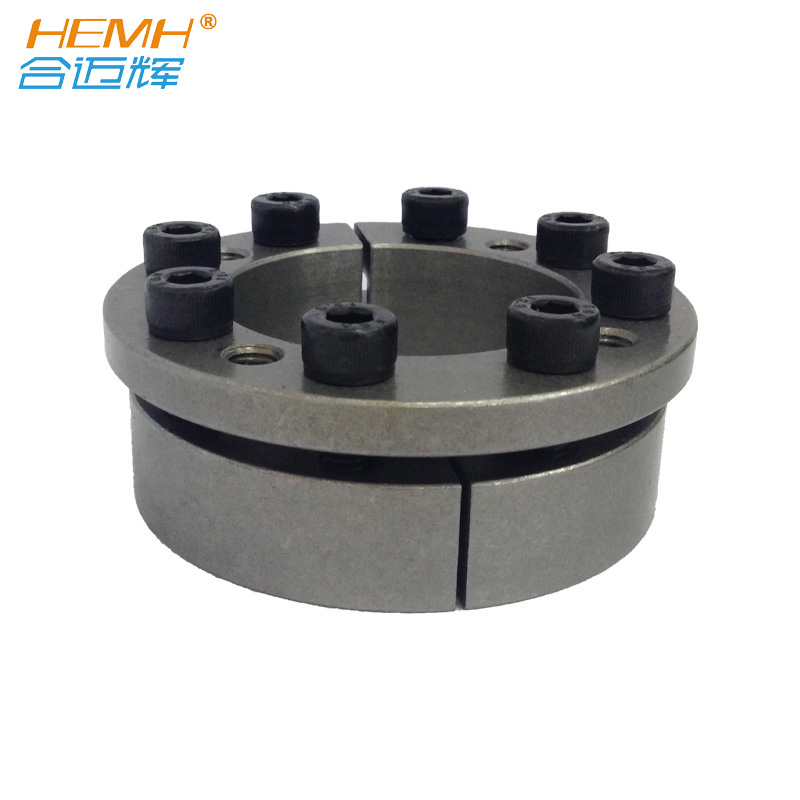
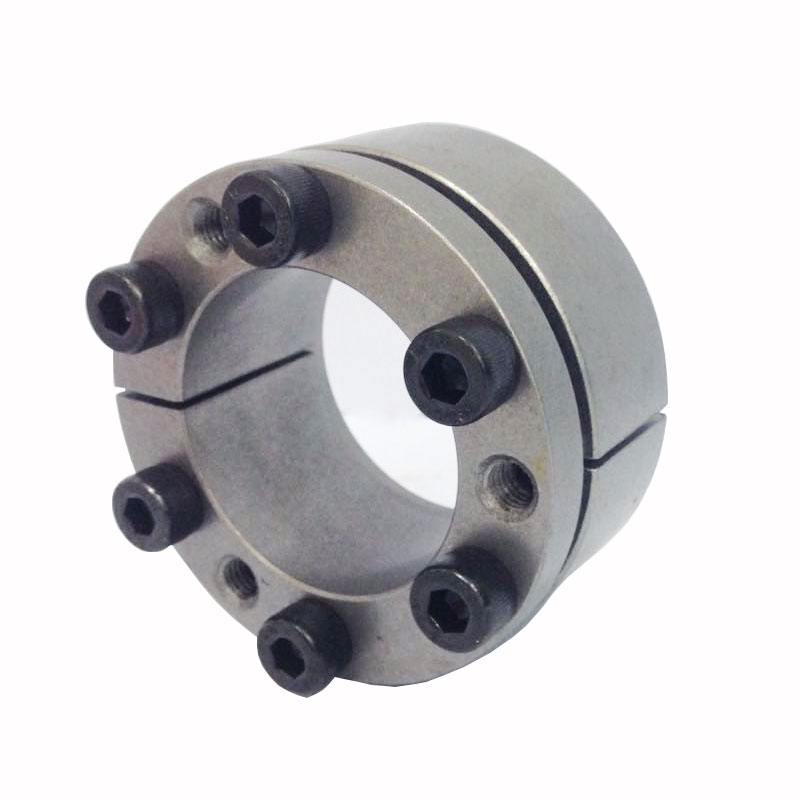
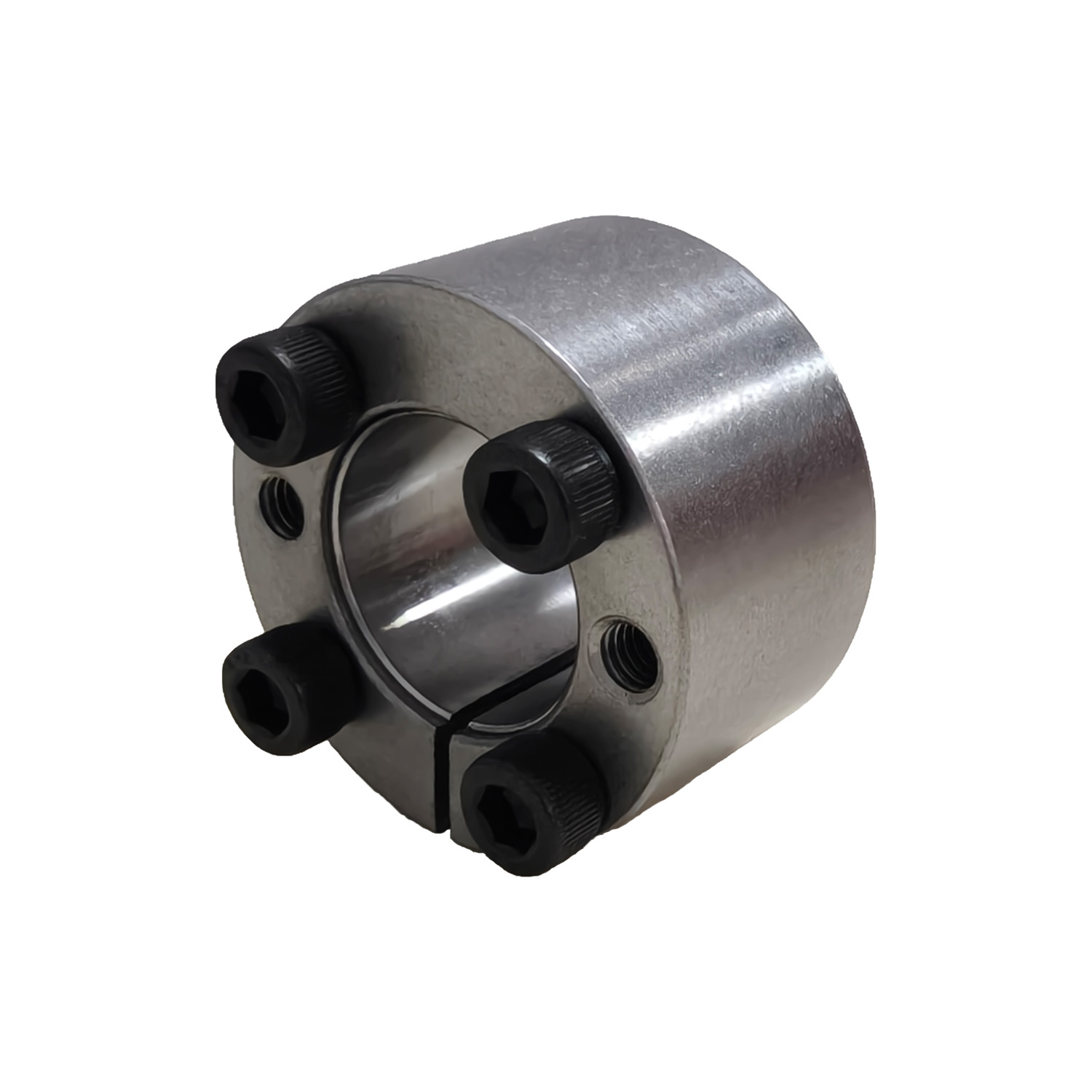
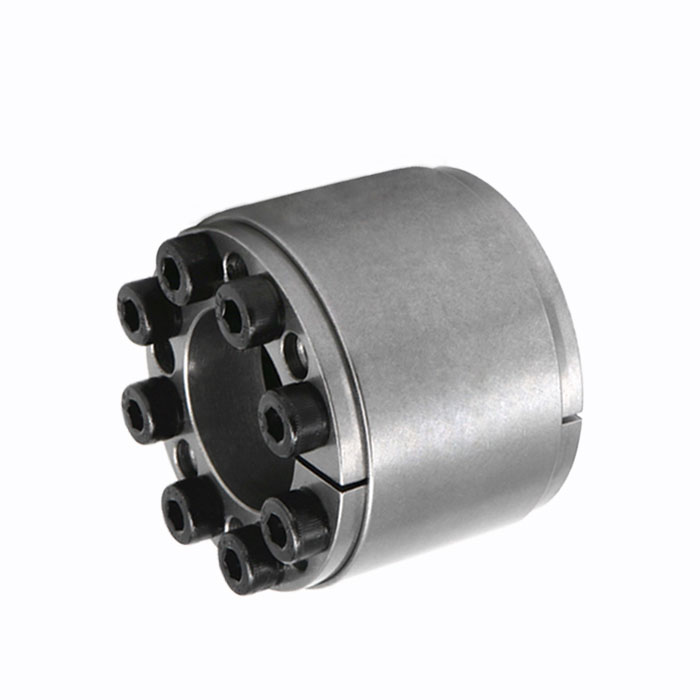
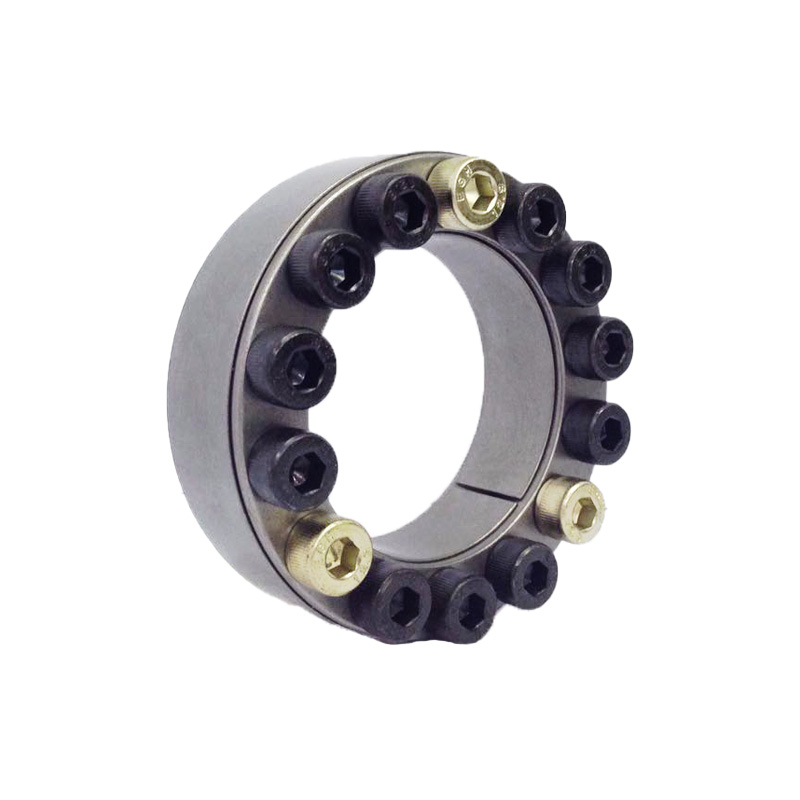
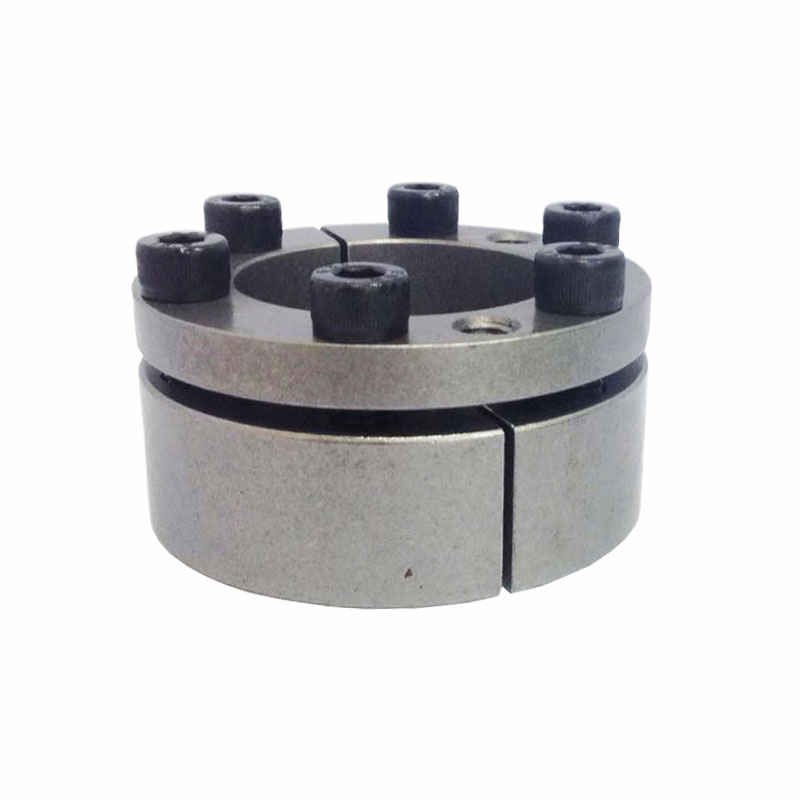
- Keyless Connection, Shaft Protection: No need to process keyways on the shaft. It transmits torque through friction transmission, avoiding local stress concentration of the shaft caused by keyways, not damaging the shaft diameter or wearing the shaft, effectively extending the service life of the transmission shaft and motor shaft. The shaft can be reused after disassembly.
- Precise Positioning, Stable Operation: High concentricity after installation, no radial runout, no jitter or noise during operation, suitable for high-precision transmission needs, ensuring the stability of equipment operation and reducing mechanical wear.
- Easy Installation and Disassembly, Reusable: No heating or special tools required. Installation and disassembly can be completed only by tightening or loosening bolts, with simple and efficient operation; no damage after disassembly, which can be assembled repeatedly for many times, reducing equipment maintenance costs.
- Large Transmission Torque, Non-slip: Relying on the huge clamping force generated by elastic deformation, it has a high friction coefficient and uniform force, which can stably transmit large torque. Even under harsh working conditions such as heavy load, frequent start-stop and vibration, there will be no slipping phenomenon, and the transmission is reliable.
- Strong Versatility, Good Interchangeability: Produced in strict accordance with standard dimensions, the same model can be universally interchanged globally, suitable for various components such as hubs, gears, pulleys, timing pulleys, etc. No need to modify the shaft diameter or hole diameter during replacement, with wide adaptability.
- Strong Weather Resistance, Suitable for Multiple Working Conditions: It has good high temperature resistance, vibration resistance and wear resistance, and can work stably for a long time in complex industrial environments such as high and low temperature, humidity and dust, without frequent maintenance.
Material
The selection of materials for the tension sleeve should be based on working conditions, load requirements and environmental factors. There are significant differences in the performance of different materials. Below are the mainstream materials on the market with detailed explanations, covering both conventional and special working conditions.
1.Gray Cast Iron (Most Commonly Used)
Features: High cost performance, good shock absorption, wear-resistant, stable size, and easy processing. It is the most widely used material for tension sleeves, suitable for general industrial transmission scenarios.
2.Alloy Structural Steel (40Cr/20CrMnTi)
Features: High strength, strong impact resistance, wear-resistant, and can be subjected to heat treatment to further improve hardness and torque-bearing capacity. It is suitable for heavy-duty and high-precision transmission scenarios.
3.Stainless Steel (304/316)
Features: Excellent corrosion resistance, no rust, suitable for humid, acid-alkali and other harsh environments, and meets the hygiene requirements of food, medical and other industries.
4.Aluminum Alloy
Features: Light weight, corrosion resistance, smooth appearance, small inertia, suitable for high-speed, light-load transmission scenarios, and easy to install and carry.
Widely used in fans, water pumps, air compressors, textile machinery, packaging machinery, machine tools, automated production lines, heavy industry equipment, food processing machinery, medical equipment and other fields, realizing stable power transmission and reducing maintenance costs.

FAQ:
Q: Why are ductile iron tension sleeves more durable than ordinary carbon steel ones?
A: Ductile iron features much higher toughness and tensile strength, with superior impact resistance and deformation resistance. It can withstand greater torque and is not easy to break under long-term heavy load and frequent start-stop conditions. Ordinary carbon steel is only suitable for conventional light and medium load scenarios; it is prone to deformation and wear under heavy load, resulting in a shorter service life.
- Keyless Connection, Shaft Protection: No need to process keyways on the shaft. It transmits torque through friction transmission, avoiding local stress concentration of the shaft caused by keyways, not damaging the shaft diameter or wearing the shaft, effectively extending the service life of the transmission shaft and motor shaft. The shaft can be reused after disassembly.
- Precise Positioning, Stable Operation: High concentricity after installation, no radial runout, no jitter or noise during operation, suitable for high-precision transmission needs, ensuring the stability of equipment operation and reducing mechanical wear.
- Easy Installation and Disassembly, Reusable: No heating or special tools required. Installation and disassembly can be completed only by tightening or loosening bolts, with simple and efficient operation; no damage after disassembly, which can be assembled repeatedly for many times, reducing equipment maintenance costs.
- Large Transmission Torque, Non-slip: Relying on the huge clamping force generated by elastic deformation, it has a high friction coefficient and uniform force, which can stably transmit large torque. Even under harsh working conditions such as heavy load, frequent start-stop and vibration, there will be no slipping phenomenon, and the transmission is reliable.
- Strong Versatility, Good Interchangeability: Produced in strict accordance with standard dimensions, the same model can be universally interchanged globally, suitable for various components such as hubs, gears, pulleys, timing pulleys, etc. No need to modify the shaft diameter or hole diameter during replacement, with wide adaptability.
- Strong Weather Resistance, Suitable for Multiple Working Conditions: It has good high temperature resistance, vibration resistance and wear resistance, and can work stably for a long time in complex industrial environments such as high and low temperature, humidity and dust, without frequent maintenance.
Material
The selection of materials for the tension sleeve should be based on working conditions, load requirements and environmental factors. There are significant differences in the performance of different materials. Below are the mainstream materials on the market with detailed explanations, covering both conventional and special working conditions.
1.Gray Cast Iron (Most Commonly Used)
Features: High cost performance, good shock absorption, wear-resistant, stable size, and easy processing. It is the most widely used material for tension sleeves, suitable for general industrial transmission scenarios.
2.Alloy Structural Steel (40Cr/20CrMnTi)
Features: High strength, strong impact resistance, wear-resistant, and can be subjected to heat treatment to further improve hardness and torque-bearing capacity. It is suitable for heavy-duty and high-precision transmission scenarios.
3.Stainless Steel (304/316)
Features: Excellent corrosion resistance, no rust, suitable for humid, acid-alkali and other harsh environments, and meets the hygiene requirements of food, medical and other industries.
4.Aluminum Alloy
Features: Light weight, corrosion resistance, smooth appearance, small inertia, suitable for high-speed, light-load transmission scenarios, and easy to install and carry.
Widely used in fans, water pumps, air compressors, textile machinery, packaging machinery, machine tools, automated production lines, heavy industry equipment, food processing machinery, medical equipment and other fields, realizing stable power transmission and reducing maintenance costs.
FAQ:
Q: Why are ductile iron tension sleeves more durable than ordinary carbon steel ones?
A: Ductile iron features much higher toughness and tensile strength, with superior impact resistance and deformation resistance. It can withstand greater torque and is not easy to break under long-term heavy load and frequent start-stop conditions. Ordinary carbon steel is only suitable for conventional light and medium load scenarios; it is prone to deformation and wear under heavy load, resulting in a shorter service life.